Hairballs in Cats: Causes and Simple Prevention
A hairball is a clump of swallowed fur that a cat brings back up, often in a tube-like shape. An occasional one can be part of normal grooming. Frequent hairballs, or a cat that tries to be sick and produces nothing, are a reason to call a vet, not to keep guessing at home.
What a hairball actually is
Cats have rough tongues that pull loose fur out of the coat as they groom. Some of that fur is swallowed. Often it passes through the digestive system. Sometimes it collects in the stomach and comes back up.
You might hear coughing, gagging or retching first. What you find later is usually fur, sometimes with a little fluid or food. It is easy to assume every retch is “just a hairball,” but other problems can look similar, which is why a pattern of vomiting is worth a professional opinion.
Why they show up more in some cats
Any cat can bring up a hairball, but you may see it more in long-haired cats, cats that are shedding heavily — including indoor cats in the Dubai heat — and cats that groom a great deal, sometimes because they are bored, stressed or itchy.
Dry indoor air and a heavier shed can mean more fur on the tongue. That does not mean every cat in the UAE will have a hairball problem, and it does not mean a hairball is “just the weather.” If the coat, skin or behaviour has also changed, include that when you speak to your vet.
Simple habits that help prevent them
Prevention at home is mostly about less fur being swallowed, and not leaving the digestive system to do all the work alone.
Brush regularly, so loose hair comes off on the brush. Offer fresh water in more than one place, and consider wet food as part of the diet. Some cats are offered a fibre-rich food or a paste sold as a hairball remedy. Whether that is suitable, and how to use it, is a question for your vet, especially if your cat has any other health condition. Do not pour cooking oil or other kitchen remedies into the food without asking first.
Keep play in the day. A cat that has had a proper chase is often less likely to spend the evening over-grooming out of restlessness.
Grooming, play and a calmer coat
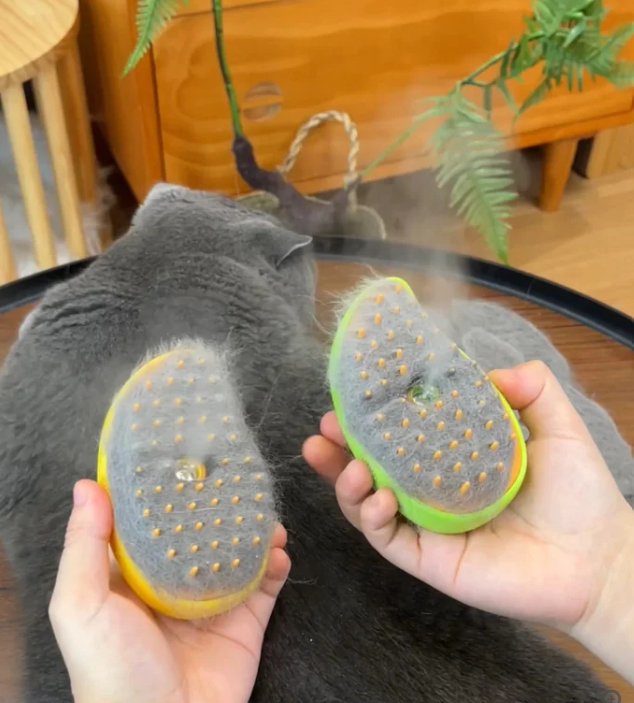
A short, gentle brushing habit is the most practical step most owners can take. During a heavy shed, add a session. Be patient with cats that dislike the brush; a few strokes a day is still fur that was not swallowed.
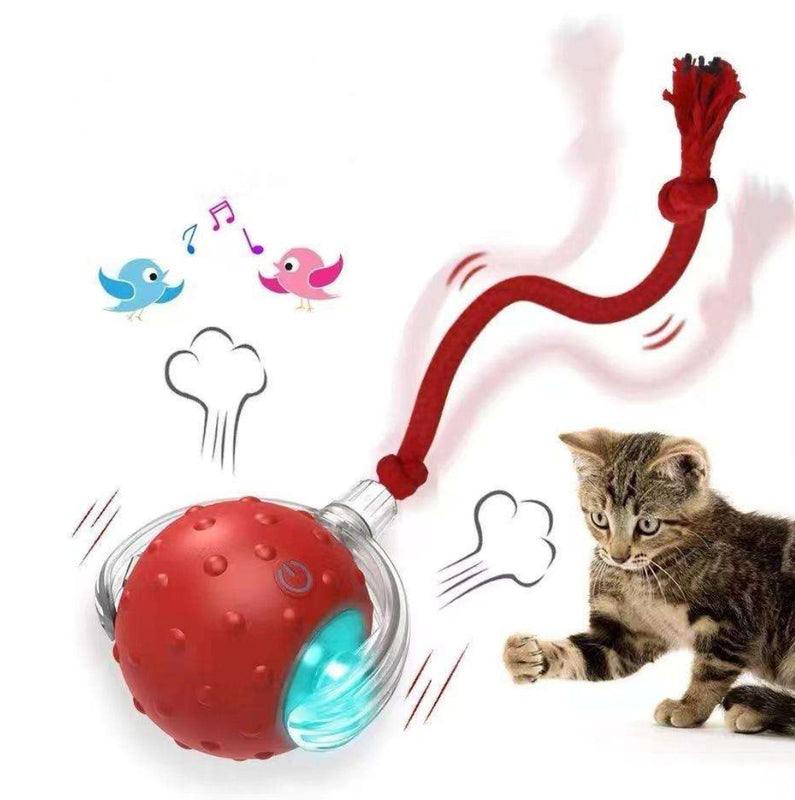
The Paw and Palms Cat Starter Kit is three essentials in one kit: a Pet Brush for loose fur, an Electric Cat Rolling Ball for chase play, and an Anti-Scratch Cat Chew Mat. It is AED 260 with free delivery across the UAE. The brush colour may vary, and the items may arrive in separate deliveries. The brush helps you catch shed hair, and the ball and mat give your cat something to do besides another long grooming session on the sofa.
If mats are already tight, or your cat will not let you near the coat, a professional groomer or your vet is safer than pulling at the fur yourself.
When to see a vet
See a vet promptly if your cat retches repeatedly without producing a hairball; brings up hairballs often, or vomits several times in a week; stops eating, eats much less, or seems tired and withdrawn; has a swollen or painful belly; is constipated, strains in the litter tray, or has diarrhoea; or suddenly grooms until the skin is sore or bald.
These can be signs of something that needs hands-on care, including, in serious cases, a blockage. A blog cannot tell you which it is. If you are unsure, err on the side of a call or a visit the same day.
Frequently asked questions
What causes hairballs in cats?
They form when a cat swallows loose fur while grooming and some of that fur collects in the stomach. Heavy shedding, a long coat and very frequent grooming can all make this more likely.
How can I help prevent hairballs at home?
Brush often enough to remove loose fur, keep water available, and give your cat regular play. Ask your vet before you change food or use a hairball remedy, paste or any home treatment.
When is a hairball a reason to see a vet?
Seek veterinary care if hairballs are frequent, if your cat retches without producing one, or if there is any loss of appetite, lethargy, a painful belly or a change in litter tray habits. Do not wait those signs out.