How to stop a cat scratching the furniture
Why cats scratch, and how to give them a better place to do it, without punishment or harsh methods.
Scratching is a normal cat habit
Cats scratch to stretch their muscles, to shed the worn outer layer of their claws, and to leave a familiar scent on a surface they use often. It is not spite, and it is not something you can simply train out of them. If you block every outlet, many cats will look for the nearest sofa corner, rug edge or wooden leg instead.
The aim is not to stop scratching altogether. It is to make a place that is theirs more appealing than the furniture you want to protect, and to do it without frightening them. Shouting, spraying water, or pushing a cat off the sofa usually makes them more secretive, not less interested in that spot.
Give them a place that feels right
A good scratching place is sturdy, easy to reach, and made of a texture your cat already likes. Some cats prefer a vertical post they can stretch up against. Others prefer something they can hold, kick and bite while lying on their side — a horizontal mat or pad.
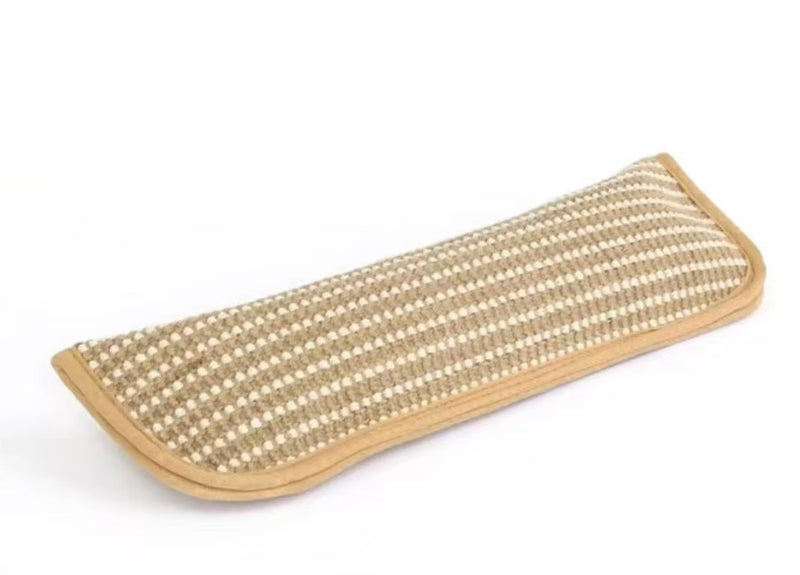
The anti-scratch chew mat in the Paw and Palms Cat Starter Kit is a woven fabric mat with reinforced edging, designed for cats to bite, kick and play. It has a refillable pocket for dried catnip, which many cats find inviting. It will not suit every cat, and it is not a promise that the sofa will be left alone overnight. It is one clear, legal place to put that energy, sitting on the floor where you can see it.
If your cat ignores a new mat at first, that is common. Leave it out. Sit nearby and play around it. A little dried catnip in the pocket, if your cat enjoys catnip, can help them notice it. Not every cat responds to catnip, and that is fine; try again with play alone.
Put it where the scratching already happens
Location matters as much as the object. If your cat already uses the corner of the sofa, place the mat or post right beside that corner, not in a spare room they rarely visit. Once they start using the new surface, you can slowly move it a short distance at a time if you want it elsewhere.
Covering the old spot for a while can help, with a throw, a tight slipcover, or a material your cat does not like to sink their claws into, such as a smooth, double-sided tape made for this purpose, used only on the furniture, never on the cat. The idea is to make the sofa briefly less satisfying, while the mat is easy and close.
Keep the mat where it will stay clean enough to use. Shake it out, and follow any care notes that come with it. A dirty or wobbly surface is easier to abandon than a stable one.
Make the right place more rewarding
When you see your cat use the mat, quietly mark the moment with a word of praise or a short play session. There is no need for a speech, and no need to interrupt a good stretch. You are only showing them that this is a welcome place.
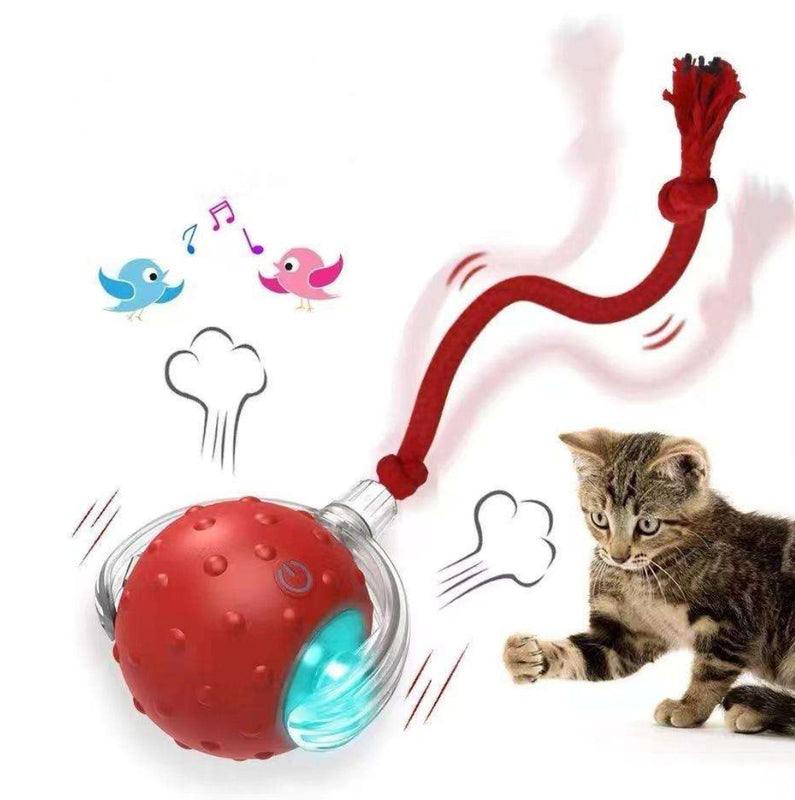
A rolling play ball can sit in the same room, so energy that starts as a chase can end in a wrestle on the mat. Both are in the Cat Starter Kit, together with a grooming brush, and they are sold as one order with free delivery across the UAE and cash on delivery. Items may arrive in separate deliveries, and the brush colour may vary based on availability.
Regular, gentle brushing also helps some long-haired cats feel more comfortable, which can make them less inclined to overgroom or worry at their coat. Keep sessions short, go in the direction of the fur, and stop if your cat wriggles away. A brush is not a treatment for skin disease; sore skin, bald patches or constant scratching of the body are reasons to speak to a vet.
What not to do, and when to get help
Do not declaw a cat, and do not use any method that causes pain or fear. Soft nail caps, used only as their instructions describe, are a choice some owners make for a short period, but they are not essential and they are not a substitute for a proper scratching place.
If scratching starts suddenly, is far more intense than usual, or comes with limping, overgrooming, hiding, or changes in the litter tray, ask a vet to check your cat. Pain and stress can change how a cat uses their claws, and that is outside what a toy or a mat can solve.
For everyday scratching of the sofa, start with a dedicated mat or post in the right place, a little encouragement, and enough play during the day that your cat is not only using the furniture to burn energy. That is usually enough to turn a frustrating habit into a manageable one.